I. Introduction
II. Psychological Pathways Linking Social Media to Eating Disorder Risks
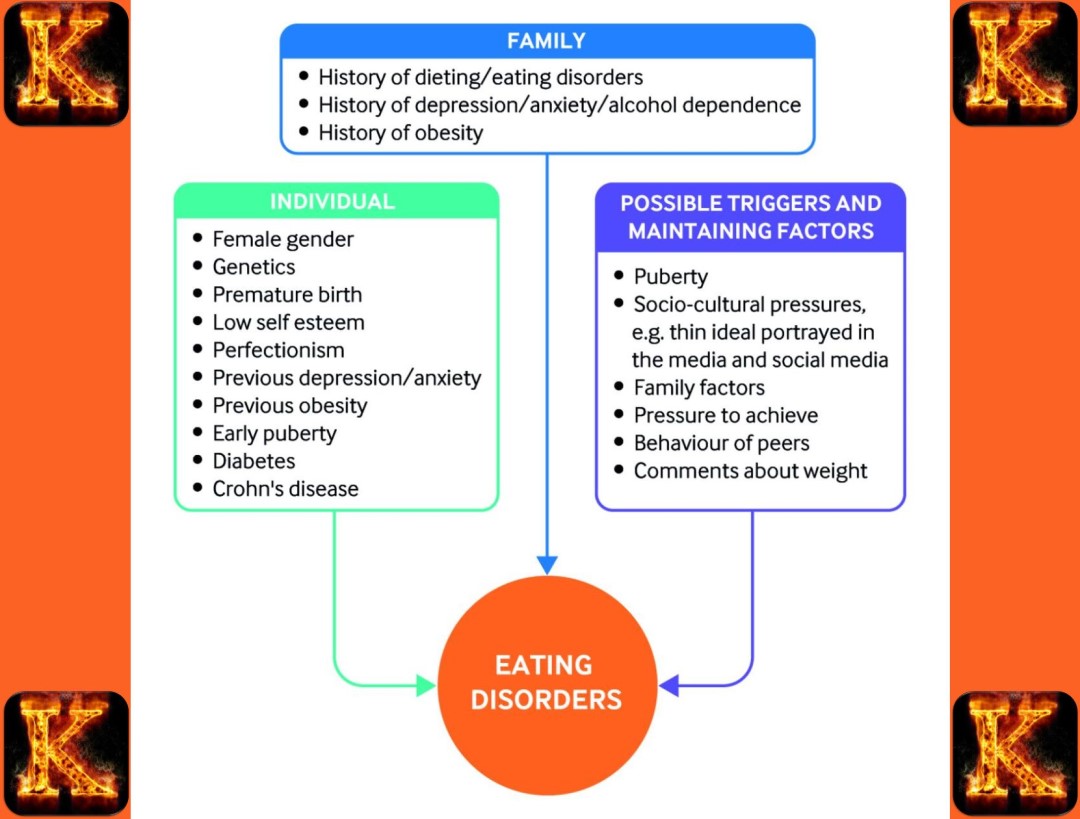
Understanding why social media increases eating disorder risks requires a focus on the psychological processes that shape how young people interpret appearance-related content and evaluate their own bodies. These mechanisms influence self-esteem, identity formation, and emotional regulation, making some adolescents especially vulnerable to harmful body image beliefs.
A. Social Comparison Theory
Many users engage in upward social comparison when they encounter highly edited or idealized bodies online. This pattern often lowers self-esteem and increases negative self-evaluation because individuals measure their own appearance against unrealistic standards. Girls who are sensitive to thinness pressures may respond to these comparisons with restrictive attitudes around food, while boys immersed in fitness culture may feel driven to pursue extreme muscularity. Over time, repeated comparison can intensify body dissatisfaction and contribute to rigid appearance expectations.
B. Internalization of Unrealistic Beauty Standards
Internalization occurs when individuals absorb cultural messages about what the ideal body should look like. For many girls, thin-ideal internalization leads to persistent pressure to maintain a very slim appearance. For boys, muscular-ideal internalization promotes the belief that strength, definition, and leanness determine personal value. Social media platforms such as Instagram, TikTok, and fitness-focused communities amplify these ideals through curated images, influencer marketing, and high engagement with appearance-centered content. When adolescents internalize these standards, they may adopt unhealthy beliefs about weight, shape, or body perfection.
C. Cognitive Biases
Social media also strengthens cognitive biases that distort how young people process appearance information. Selective attention bias makes users focus on body-related images while overlooking diverse or realistic representations. Confirmation bias leads individuals to seek content that reinforces pre-existing worries about their bodies. Algorithms intensify these patterns by repeatedly showing similar images, messages, and fitness or diet content. These cognitive distortions increase vulnerability to disordered eating attitudes because users begin to believe that extreme or idealized bodies are normal, attainable, or required for social acceptance.
Read Also: Role of the Nurse in Prevention of Cross Infection
III. Social Media Features That Intensify Risk
Several features built into social media platforms increase the psychological vulnerability of young people and can heighten the risk of eating disorders. These features shape how adolescents view their bodies, interpret social feedback, and construct their identities during a period when they are highly sensitive to appearance-based cues.
A. Filters, Editing Apps, and Perfected Self-Presentation
Filters and editing tools allow users to alter their appearance in ways that create unrealistic standards for themselves and others. Regular exposure to these altered images can distort self-perception and make adolescents feel dissatisfied with their natural appearance. Because identity formation is still developing during adolescence, many young people begin to link their self-worth to how closely they can match digitally perfected versions of themselves. This can strengthen body image concerns and reinforce the belief that only a highly curated appearance is acceptable.
B. Fitness and Diet Influencer Culture
Influencer culture plays a significant role in shaping attitudes toward food, exercise, and body expectations. Fitness creators often showcase transformation journeys, strict eating routines, and highly controlled lifestyles that may appear achievable but are often unrealistic for the average viewer. Girls may interpret these messages as pressure to become smaller or leaner, while boys may feel compelled to pursue extreme muscularity or rigid eating patterns to fit into specific fitness ideals. These environments often reward discipline and appearance over well-being, which can encourage unhealthy attitudes toward weight and shape.
C. Engagement Metrics such as Likes, Comments, and Shares
Many adolescents closely monitor likes, comments, and shares, which can influence their emotional responses and shape their online behavior. Positive engagement activates reward pathways associated with dopamine and reinforces the idea that appearance determines social value. When young people rely on appearance-based validation, they may experience anxiety or stress when engagement levels drop. This creates a cycle in which individuals adjust their content, behavior, or appearance to maintain validation, leading to heightened body attention and increased sensitivity to perceived flaws.
D. Algorithm Amplification
Algorithms are designed to show users more of the content they frequently engage with. When adolescents spend time viewing fitness, beauty, or weight-focused posts, algorithms amplify this exposure and create an online environment dominated by idealized bodies and appearance-centered messaging. This process can create echo chambers that normalize harmful attitudes toward weight, shape, and perfection, making it difficult for users to encounter diverse or realistic representations. Over time, this repeated exposure can increase internal pressure to change one’s appearance and contribute to unhealthy beliefs that align with eating disorder risk factors.
IV. Gender-Specific Vulnerabilities
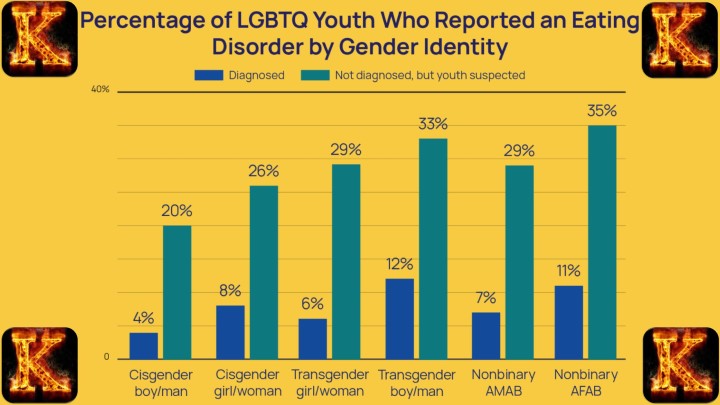
The psychological impact of social media on eating disorder risk varies according to gender, as cultural and social expectations shape the ways adolescents perceive their bodies. Understanding these gender-specific vulnerabilities is essential for psychologists and educators seeking to design effective prevention and intervention strategies.
A. Girls and the Thin-Ideal Pressures
Girls are particularly susceptible to pressures related to the thin-ideal, which is heavily promoted through social media content, advertising, and peer networks. Many adolescent girls associate social value and self-worth with body size, equating thinness with attractiveness, popularity, and social acceptance. This association is reinforced through likes, comments, and peer engagement, which can amplify appearance-focused self-evaluation.
Emotional sensitivity to appearance-based feedback makes girls more prone to experiencing body dissatisfaction, anxiety, and perfectionistic tendencies regarding weight and shape. Fear of judgment, bullying, or social exclusion further intensifies these pressures, creating a heightened vulnerability to restrictive eating behaviors and cognitive patterns associated with anorexia and related eating disorders.
Social comparison with peers and influencers amplifies these effects, as girls continuously evaluate their own bodies against curated images that often represent unrealistic or unattainable standards.
B. Boys and the Lean-Muscular Ideal
Boys are increasingly exposed to social media messaging that emphasizes the lean-muscular ideal, promoting the perception that physical strength, definition, and leanness determine attractiveness and social success. Adolescents in fitness-focused communities, both online and in gyms, may adopt rigid eating patterns, excessive protein restriction, or compulsive exercise routines to achieve a highly aestheticized physique.
The psychological consequences include body dissatisfaction, low self-esteem, and heightened anxiety when perceived progress does not align with idealized images. Exposure to transformation content and fitness challenges reinforces the belief that extreme control over diet and exercise is normative, fostering cognitive distortions about health, body composition, and personal worth. Boys in these environments may also develop an overreliance on appearance-based social validation, which can exacerbate disordered eating tendencies and increase vulnerability to both restrictive and compensatory behaviors.
In both genders, these pressures intersect with developmental processes, including identity formation, peer influence, and emotional regulation, highlighting the importance of addressing social media’s role in shaping cognitive and emotional vulnerabilities. Gender-specific understanding allows psychologists to target prevention efforts more effectively, creating strategies that mitigate the risks of eating disorders while promoting positive body image and healthy engagement with digital environments.
Read Also: Per Patient Day System in Tackling Nurse Burnout
V. Psychological Consequences
Exposure to social media content that emphasizes idealized body types, fitness achievements, and diet-focused messaging can have profound psychological consequences for adolescents and young adults. These consequences are closely linked to the development of eating disorders, as cognitive, emotional, and social processes interact to influence self-perception, behavior, and identity.
A. Body Dissatisfaction and Low Self-Esteem
Frequent comparison with curated and idealized images on social media often leads to body dissatisfaction, a core psychological risk factor for eating disorders. Adolescents may perceive discrepancies between their actual bodies and socially endorsed ideals, resulting in persistent negative self-evaluation. This dissatisfaction undermines self-esteem, eroding confidence and increasing vulnerability to adopting restrictive or compensatory behaviors to align with perceived societal expectations. Low self-esteem also contributes to heightened sensitivity to peer feedback, reinforcing appearance-focused self-worth.
B. Anxiety, Perfectionism, and Fear of Negative Evaluation
Social media platforms amplify performance-oriented pressures that extend beyond appearance to encompass lifestyle, fitness, and social validation. Anxiety emerges when adolescents fear negative evaluation from peers or online audiences. Perfectionistic tendencies often develop as individuals strive to match unrealistic standards for body shape, size, or muscularity. This combination of anxiety and perfectionism intensifies the psychological risk for restrictive eating, compulsive exercise, and obsessive monitoring of appearance, creating a feedback loop that reinforces maladaptive coping mechanisms.
C. Emotional Regulation Challenges
Exposure to appearance-focused social content can disrupt emotional regulation. Adolescents may use food restriction, overexercise, or engagement with body-focused online communities as strategies to manage stress, low mood, or feelings of inadequacy. These appearance-control behaviors serve as maladaptive coping mechanisms that provide temporary relief from negative emotions but ultimately reinforce disordered eating patterns. Difficulty regulating emotions in response to social comparison further entrenches vulnerability to eating disorders and related psychological distress.
D. Identity Confusion and Self-Objectification
Adolescence is a critical period for identity formation, and social media often encourages individuals to evaluate themselves primarily through the lens of appearance. Continuous exposure to idealized body images can lead to self-objectification, where personal value is defined by physical appearance rather than holistic identity.
This identity confusion undermines the development of a stable, resilient self-concept and increases susceptibility to adopting extreme behaviors aimed at conforming to social ideals. Both girls and boys may experience distorted self-concepts, with girls internalizing thinness ideals and boys internalizing muscularity standards, reinforcing patterns associated with eating disorders.
Together, these psychological consequences illustrate the complex interplay between social media exposure and adolescent vulnerability. Body dissatisfaction, low self-esteem, anxiety, perfectionism, emotional regulation challenges, and identity confusion create a multidimensional risk profile that educators, psychologists, and clinicians must understand to design effective interventions and preventative strategies for eating disorders.
VI. Protective Factors & Prevention Strategies
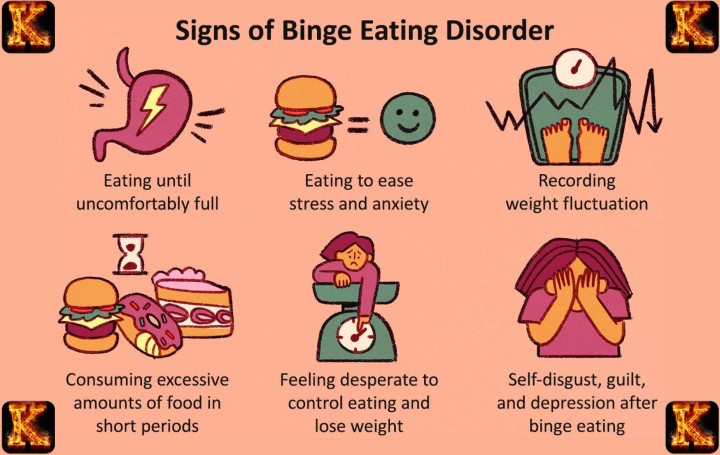
Preventing the onset of eating disorders in the context of pervasive social media exposure requires a comprehensive approach that addresses cognitive, emotional, and social dimensions. Protective factors focus on equipping adolescents with the skills, awareness, and support systems necessary to navigate digital environments without developing maladaptive behaviors.
A. Media Literacy Education
Media literacy education is a foundational strategy for reducing eating disorder risk. Teaching students to critically analyze edited images, retouched photographs, and curated content fosters awareness of the unrealistic portrayals of bodies prevalent on social media. Understanding the persuasive techniques used in influencer marketing, including sponsorships and brand promotion, enables adolescents to recognize manipulative messaging and resist internalizing unattainable appearance standards. By developing critical thinking and reflective skills, students can mitigate the impact of social comparison and reduce vulnerability to body dissatisfaction.
B. Promoting Positive Body Image
Strength-based approaches that emphasize personal competencies, achievements, and intrinsic qualities over physical appearance are essential for promoting positive body image. Encouraging adolescents to value functionality; such as strength, flexibility, endurance, and overall health—over aesthetic ideals reduces reliance on appearance as a source of self-worth. Programs that reinforce self-acceptance and resilience help adolescents build psychological resources that buffer against the pressures of social media and diminish the likelihood of disordered eating behaviors.
C. Healthy Digital Habits
Developing healthy digital habits is critical for protecting mental health and reducing eating disorder risk. Adolescents should be guided to limit exposure to triggering content, including extreme diet, fitness, or body-focused posts. Curating social media feeds to include diverse, realistic, and body-positive representations of appearance can normalize variation and reduce internalized pressure to conform to narrow ideals. Structuring online engagement in a deliberate, mindful manner empowers young people to maintain psychological well-being while still participating in digital communities.
D. Supportive School and Family Environments
Supportive social environments are crucial protective factors in preventing eating disorders. Schools and families play a key role in fostering open communication about body image, social pressures, and emotional well-being. Early recognition of emotional or behavioral changes allows caregivers and educators to intervene before maladaptive patterns develop. Creating a climate of understanding and encouragement enables adolescents to discuss insecurities and coping strategies without fear of judgment, which reduces the reliance on unhealthy behaviors to regulate self-esteem or manage stress.
Integrating these protective strategies addresses both individual cognitive and emotional vulnerabilities and broader social influences. A multi-level approach that combines media literacy, positive body image reinforcement, healthy digital habits, and strong support systems provides adolescents with the psychological tools necessary to navigate social media safely and reduces the likelihood of developing eating disorders.

VII. Conclusion
Social media represents a significant psychological risk factor for the development of eating disorders due to its influence on social comparison, internalization of unrealistic body ideals, cognitive biases, and appearance-focused reinforcement. Adolescents are particularly vulnerable as these mechanisms interact with developmental processes such as identity formation, emotional regulation, and self-esteem development. Early education and awareness are essential for mitigating these risks, as they equip young people with critical thinking skills, resilience, and the ability to interpret digital content realistically.
Promoting healthier online engagement, encouraging positive body image, and fostering supportive family and school environments can reduce vulnerability to disordered eating. By addressing both individual psychological processes and broader social influences, educators and mental health professionals can help adolescents navigate social media safely while cultivating self-acceptance and sustainable well-being.
Comments are closed!