Introduction
Genetic Foundations of Intelligence
Role of heredity and genetic inheritance in intelligence
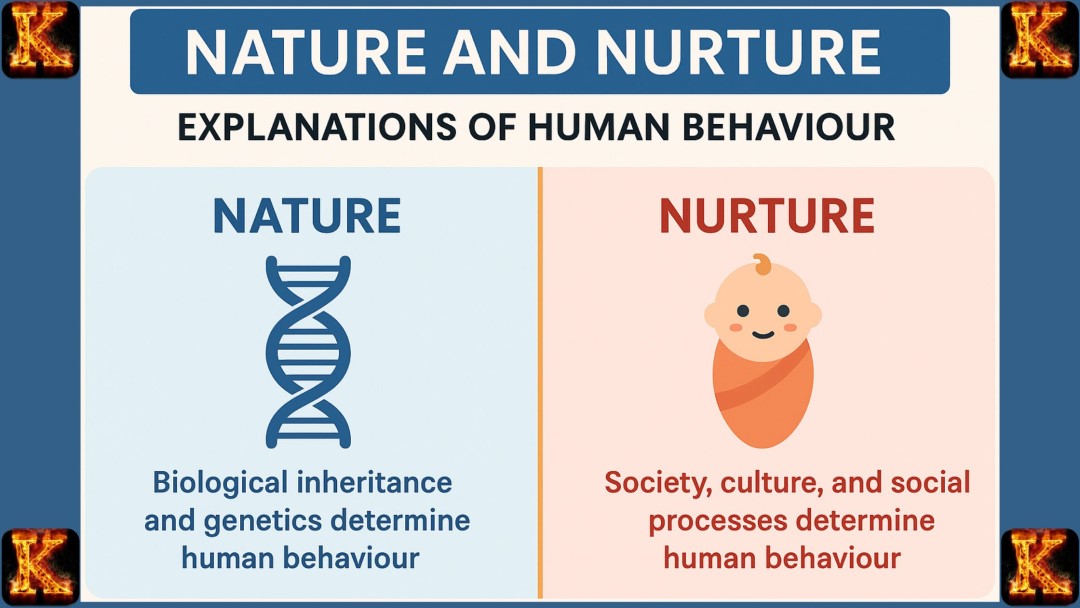
Genetic inheritance plays a significant role in shaping human intelligence by influencing brain development, cognitive processing speed, and learning capacity. Research in behavioral genetics demonstrates that individuals inherit a range of cognitive potentials from their biological parents, which can affect memory, reasoning ability, and problem-solving skills. These inherited traits do not determine intelligence in a fixed way but instead establish a biological framework within which intellectual development occurs. Understanding heredity helps explain why cognitive abilities often show patterns of similarity within families.
Evidence from twin and adoption studies
Much of the evidence supporting the genetic contribution to intelligence comes from twin and adoption studies. Studies comparing identical twins, who share nearly all their genes, with fraternal twins, who share only about half, consistently show higher similarity in IQ scores among identical twins. Adoption studies further strengthen this evidence by revealing that adopted children’s intelligence scores tend to correlate more strongly with their biological parents than with their adoptive families, especially as they grow older. These findings suggest that genetic factors play a substantial role in shaping intellectual potential while still allowing room for environmental influence.
Heritability estimates and their limitations
Heritability estimates are used to quantify the proportion of variation in intelligence within a population that can be attributed to genetic differences. While studies often report moderate to high heritability values for IQ, these estimates do not mean that intelligence is fixed or immune to environmental change. Heritability varies across populations and contexts, and it does not account for differences in educational access, nutrition, or social conditions. Understanding these limitations is essential to avoid misinterpreting genetic influence as biological determinism and to recognize the continued importance of environmental support in cognitive development.
Read Also: How Social Media Fuels Eating Disorder Risks
Environmental Influences on Intelligence
Impact of early childhood environment on cognitive development
The early childhood environment plays a critical role in shaping intellectual development, as the brain is most responsive to stimulation during the first years of life. Exposure to language, emotional security, play, and responsive caregiving supports the development of memory, attention, and problem-solving skills. Children raised in enriched environments with consistent interaction and learning opportunities tend to develop stronger cognitive abilities than those exposed to neglect or chronic stress. This demonstrates that intelligence is not only inherited but also constructed through early experiences that influence neural development.
Role of education, nutrition, and socioeconomic status
Education, nutrition, and socioeconomic conditions significantly shape intellectual growth by either enhancing or limiting access to cognitive resources. Quality education provides structured learning, critical thinking skills, and exposure to complex ideas that directly support intellectual development. Adequate nutrition, particularly in early life, is essential for brain growth and concentration, while malnutrition can impair cognitive functioning. Socioeconomic status further influences access to quality schools, learning materials, healthcare, and stable living conditions, all of which contribute to measurable noted differences in intelligence across populations.
Influence of family structure and cultural context
Family structure and cultural context play an essential role in shaping cognitive development by influencing values, communication styles, and learning expectations. Supportive family environments that encourage curiosity, dialogue, and academic engagement tend to foster stronger intellectual outcomes. Cultural practices also shape how intelligence is defined and expressed, as different societies emphasize various skills such as problem solving, memory, or social competence. These influences highlight that intelligence develops within a social framework and cannot be fully understood without considering the cultural and familial contexts in which individuals grow.
Interaction Between Nature and Nurture
Gene-environment interaction in intelligence development
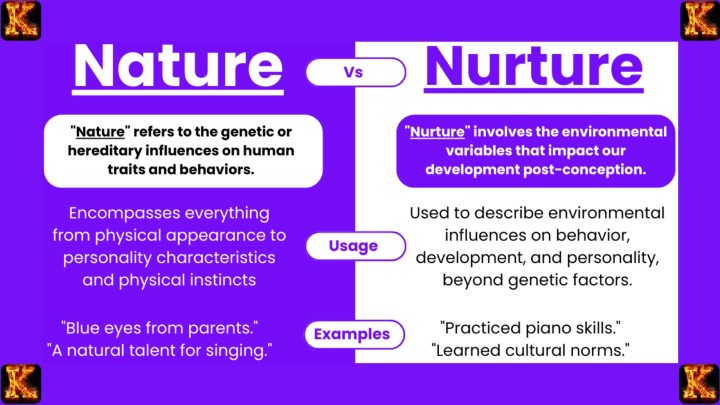
Intelligence develops through a continuous interaction between genetic predispositions and environmental experiences rather than through either factor acting alone. Gene-environment interaction refers to the way in which genetic potential can be enhanced or limited depending on the quality of environmental conditions. For example, a child may inherit a genetic capacity for high cognitive ability, but without access to education, stimulation, or emotional support, that potential may not fully develop. Likewise, enriched environments can amplify genetic strengths, demonstrating that intelligence emerges from the dynamic relationship between biology and experience rather than from fixed genetic programming.
Epigenetics and the activation of genetic potential
Epigenetics provides important insight into how environmental factors influence gene activity without altering the DNA sequence itself. Factors such as nutrition, stress, exposure to toxins, and early life experiences can activate or suppress specific genes related to brain development and cognitive functioning. These epigenetic changes help explain why individuals with similar genetic backgrounds may display different levels of intelligence across their lifespan. Understanding epigenetics highlights that genetic potential is not static but responsive to environmental conditions, especially during critical developmental periods.
How environmental factors modify genetic expression
Environmental influences such as education quality, emotional support, and socioeconomic stability can directly affect how genetic traits related to intelligence are expressed. Positive environments can strengthen neural connections and cognitive skills, while adverse conditions such as chronic stress or deprivation may hinder brain development. This interaction shows that intelligence is shaped through ongoing feedback between biological predispositions and lived experiences. Recognizing this dynamic relationship reinforces the idea that policies and interventions targeting environmental improvement can meaningfully enhance intellectual development, even in the presence of genetic limitations.
Read Also: How Social Media Fuels Eating Disorder Risks
Measuring Intelligence and Cognitive Ability
Intelligence testing and IQ measurement
Intelligence testing is one of the most widely used methods for assessing cognitive ability, with Intelligence Quotient (IQ) tests designed to measure reasoning, problem solving, memory, and verbal comprehension. These standardized tests aim to provide a numerical representation of an individual’s cognitive performance relative to others in the same age group. IQ testing has been widely applied in educational placement, psychological assessment, and research on human intelligence. While such tests offer useful insights into certain cognitive skills, they primarily measure specific types of academic and analytical abilities rather than the full range of human intelligence.
Cultural bias and limitations of IQ tests
Despite their widespread use, IQ tests have been criticized for cultural bias and limited scope. Many test items are influenced by language, educational background, and cultural knowledge, which can disadvantage individuals from diverse or non-dominant cultural environments. As a result, test scores may reflect social and educational inequality rather than true intellectual potential. These limitations highlight the importance of interpreting IQ results cautiously and recognizing that intelligence cannot be fully captured through standardized testing alone.
Alternative models of intelligence
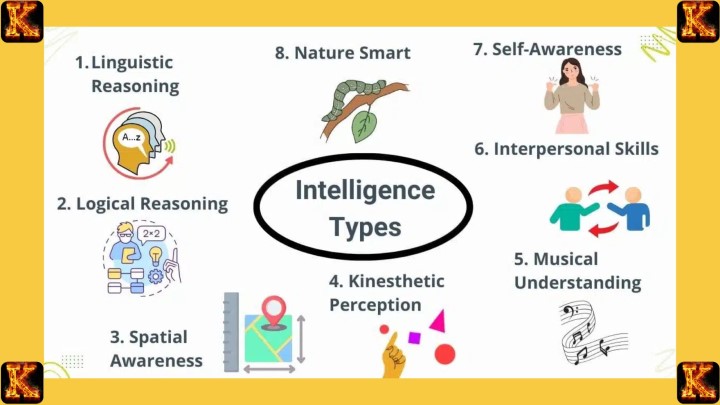
In response to the limitations of traditional IQ testing, alternative models of intelligence have been developed to provide a broader understanding of human cognitive abilities. Theories such as Howard Gardner’s multiple intelligences emphasize diverse forms of intelligence, including linguistic, logical, musical, interpersonal, and spatial abilities. Other models, such as emotional intelligence, focus on the capacity to understand and manage emotions in oneself and others. These approaches expand the concept of intelligence beyond academic performance and acknowledge the varied ways individuals learn, think, and succeed in different environments.
Implications for Education and Social Policy
Educational interventions and early childhood programs
Understanding the roles of nature and nurture in intelligence has significant implications for education. Early childhood programs that provide enriched learning experiences, stimulating activities, and supportive interactions can enhance cognitive development and help children reach their intellectual potential. Targeted interventions, such as reading programs, language development initiatives, and structured problem-solving exercises, have been shown to improve academic outcomes and cognitive skills. Recognizing the impact of environmental support underscores the importance of investing in early education as a means to foster intellectual growth for all students.
Reducing inequality through environmental support
Environmental factors such as socioeconomic status, access to quality education, and family support play a critical role in shaping intelligence. Policies that reduce inequality by providing resources, mentoring, and safe learning environments can help mitigate disparities in cognitive development. Programs that address nutrition, healthcare, and educational access ensure that children from underprivileged backgrounds have the opportunity to develop their inherited intellectual potential. By emphasizing the interaction between genetics and environment, policymakers can design initiatives that promote equitable opportunities for intellectual development across diverse populations.
Ethical considerations in intelligence research
Research on intelligence and the nature versus nurture debate carries important ethical considerations. Studies must avoid reinforcing stereotypes or misinterpreting genetic influence as deterministic. It is essential to respect cultural diversity, ensure fairness in testing, and use findings to promote educational and social improvement rather than discrimination. Ethical intelligence research also involves transparency in methodology, careful interpretation of results, and a commitment to applying knowledge in ways that enhance human well-being and social equity. Understanding these ethical dimensions helps students and professionals approach intelligence research responsibly while informing effective educational and policy decisions.

Comments are closed!