What Is DNA and Why It Matters for Heredity
DNA Structure and Its Role in Information Transfer
The central idea is that structure determines function, and this is exactly how DNA transmits genetic information. DNA is organized as a double helix made of two antiparallel strands, meaning they run in opposite directions, one from 5′ to 3′ and the other from 3′ to 5′. Each strand is built from nucleotides, which contain a sugar, a phosphate group, and a nitrogenous base. The four bases adenine, thymine, cytosine, and guanine form the language of genetic information.
The critical mechanism behind information transfer is complementary base pairing. Adenine always pairs with thymine, and cytosine always pairs with guanine through hydrogen bonds. This specificity ensures that each strand can serve as a template for copying the other. In practical terms, when DNA replicates, the sequence on one strand dictates the exact sequence on the new strand.
DNA transmits genetic information because its structure allows for both stable storage and precise duplication. The sequence of bases encodes genes, and the predictable pairing ensures that this information is preserved and accurately passed on during cell division and reproduction.
Read Also: Methods Used to Measure Microbial Growth
How DNA Replication Enables Genetic Transmission
DNA replication is the core process that ensures continuity of life. Before any cell divides, its genetic material must be duplicated accurately so that each new cell receives the same instructions. This is how DNA transmits genetic information across cells and from parents to offspring, maintaining biological identity while allowing controlled variation.
This mechanism ensures that DNA transmits genetic information with high fidelity. Specialized enzymes proofread newly synthesized DNA, correcting most errors during replication. As a result, mutations are rare, and genetic stability is preserved across generations, allowing organisms to reliably inherit traits.
Stage 1: Initiation
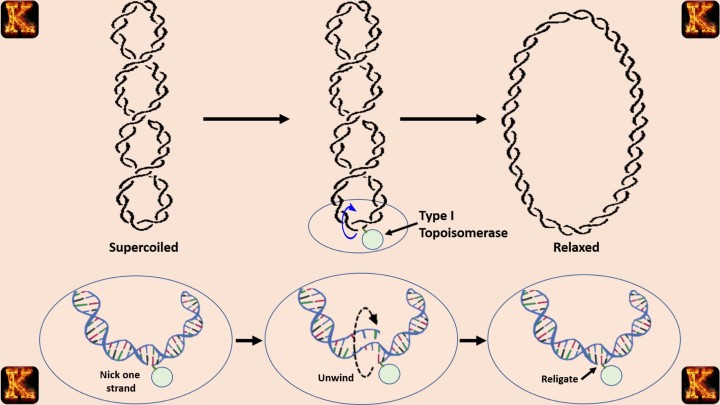
The key point is that replication begins at specific starting points. The DNA double helix unwinds at regions called origins of replication, where enzymes such as helicase break the hydrogen bonds between base pairs. This creates two single strands that will act as templates. By exposing the bases, the cell prepares the DNA for accurate copying.
Stage 2: Elongation
The key point is that new DNA strands are built using the original strands as guides. DNA polymerase adds nucleotides one by one in the 5′ to 3′ direction, following complementary base pairing rules. One strand is synthesized continuously, while the other is synthesized in short fragments. This ensures that both strands are copied despite their opposite orientations.
Stage 3: Termination
The key point is that replication concludes once the entire molecule is copied. Enzymes finalize the process by replacing temporary RNA primers with DNA and sealing gaps between fragments using ligase. At this stage, two identical DNA molecules are formed, each containing one original strand and one new strand.
Stage 4: Semiconservative Outcome
The key point is that each new DNA molecule preserves part of the original. Because each daughter molecule contains one parental strand and one newly synthesized strand, the process is called semiconservative replication. This structure allows DNA to transmit genetic information accurately while maintaining continuity with the original molecule.
Read Also: Neurotropic Mechanisms in Rabies Pathogenesis
How DNA Is Transferred from Parent to Offspring
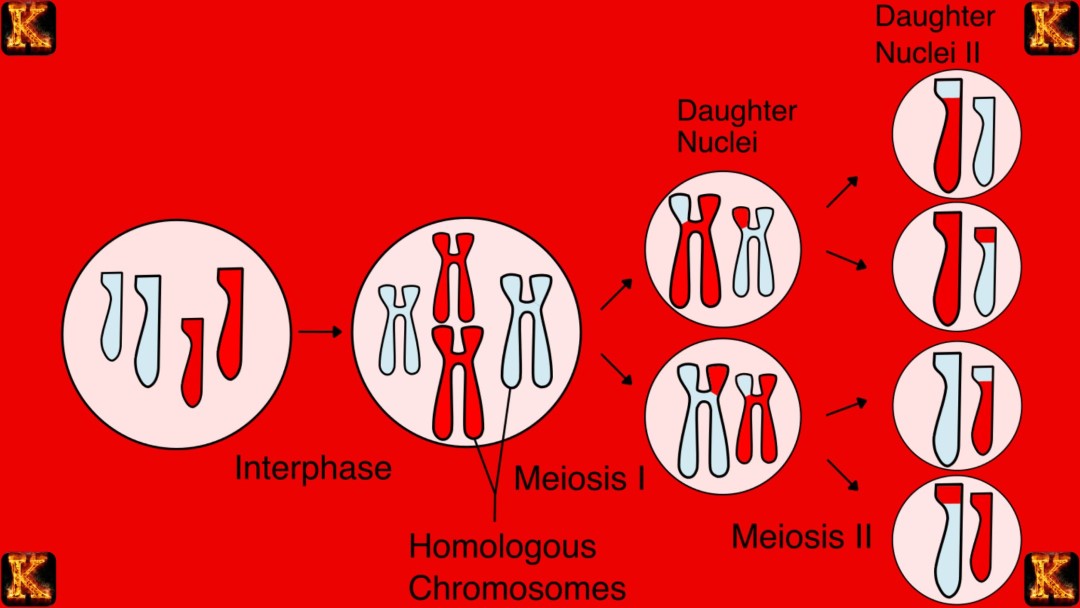
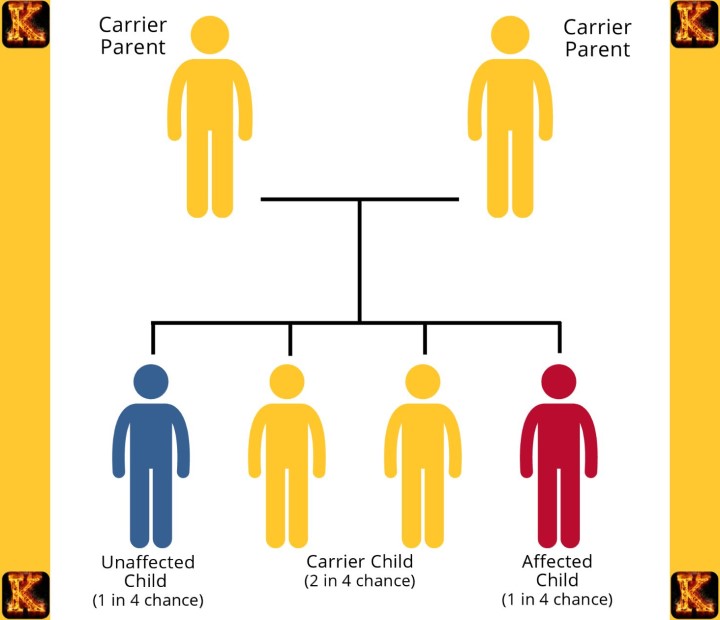
The central idea is that inheritance depends on the controlled mixing of genetic material from two parents. DNA transmits genetic information during reproduction through specialized cells called gametes, where each parent contributes half of the genetic content. This reduction is achieved through meiosis, ensuring that chromosome number remains constant across generations.
At fertilization, the sperm and egg fuse, combining their DNA into a single complete genome. This newly formed genetic set determines the biological blueprint of the offspring, explaining why traits are shared yet not identical. Variation arises from recombination and independent assortment during gamete formation, which reshuffle genetic combinations.
Sex determination illustrates how specific chromosomes influence outcomes. The egg always contributes an X chromosome, while the sperm contributes either an X or a Y. This means the father’s genetic contribution determines whether the offspring is genetically male or female.
DNA, Genes, and Chromosomes Relationship
The key point here is organization. DNA transmits genetic information efficiently because it is structured into hierarchical levels that balance storage and accessibility. At the most basic level, DNA is the chemical molecule composed of nucleotide sequences. Within these sequences are genes, which are functional segments that encode proteins or regulatory elements.
These genes are packaged into chromosomes, which are long DNA molecules wrapped around proteins. This packaging is not random; it allows large amounts of genetic material to fit inside the cell while still being accessible when needed. In eukaryotic cells, this organization becomes even more complex through chromatin structure, which can tighten or loosen to regulate gene expression.
This layered organization ensures that genetic information is both compact and functional, allowing cells to replicate DNA accurately and express genes in a controlled manner.
Read Also: Clinical Diagnosis of Prions as Nontraditional Infectious Agents
How Genetic Information Is Expressed Through RNA
The essential idea is that stored information must be converted into action. DNA transmits genetic information not only by being copied but also by directing the synthesis of proteins through RNA intermediates. This process bridges the gap between genetic code and cellular function.
First, a segment of DNA is transcribed into messenger RNA, which carries the encoded instructions out of the nucleus to the ribosome. There, transfer RNA molecules interpret the sequence by matching codons with the correct amino acids. Ribosomal RNA forms the structural and catalytic core that links these amino acids together into a polypeptide chain.
This flow of information from DNA to RNA to protein explains how genotype becomes phenotype. Traits are not expressed directly by DNA itself, but through the proteins it encodes, which carry out structural, enzymatic, and regulatory roles within the organism.
Read Also: Role of the Nurse in Prevention of Cross Infection
DNA, Genes, and Chromosomes Relationship
DNA is organized in a highly structured way inside cells to ensure that a very long molecule can fit into a small nucleus while still remaining functional. This organization is achieved through chromosomes. A chromosome is a single, continuous DNA molecule that is tightly coiled and packaged around proteins called histones. This packaging is not just for storage but also for regulation, because it helps control which parts of the DNA are accessible at any given time.
Within the DNA molecule, there are specific functional regions called genes. A gene is a segment of DNA that contains the instructions for making a functional product, most commonly a protein. These proteins then determine how the organism’s cells function and contribute to traits such as eye color, enzyme activity, or blood type. In this sense, genes act as the working units of heredity.
The relationship between DNA, genes, and chromosomes is hierarchical and interconnected. DNA is the basic chemical molecule that carries genetic information. Genes are functional sections of this DNA that contain meaningful instructions. Chromosomes are the higher level organizational structures that package and organize many genes together in a compact form. This hierarchy ensures that genetic material is both efficiently stored and properly managed during processes like cell division.
This organization is essential because without it, DNA would be too long and unstable to exist within a cell. Chromosomal packaging also ensures that DNA can be accurately copied during replication and selectively accessed during gene expression, allowing cells to use only the genes they need at specific times.
How Genetic Information Is Expressed Through RNA
DNA does not directly build proteins. Instead, it transmits genetic information by first being copied into another molecule called RNA, which acts as a messenger and functional intermediary. This step is necessary because DNA remains safely stored in the nucleus, while protein synthesis occurs in the cytoplasm at structures called ribosomes.
The process begins with transcription, where a segment of DNA is used as a template to produce messenger RNA (mRNA). This mRNA carries the genetic instructions from the nucleus to the ribosomes. Once at the ribosome, the information is translated into a protein.
Other types of RNA play supportive roles in this process. Transfer RNA (tRNA) brings specific amino acids to the ribosome based on the instructions encoded in the mRNA. Ribosomal RNA (rRNA) forms part of the ribosome itself and helps catalyze the assembly of amino acids into a growing protein chain.
This entire flow of information from DNA to RNA to protein is known as the central dogma of molecular biology. It explains how genetic information stored in DNA is converted into functional molecules that determine how an organism develops and operates.
Ultimately, this process connects genotype, which is the genetic blueprint stored in DNA, to phenotype, which is the observable characteristics of an organism. Phenotype results from how proteins are produced and function, meaning that genetic information only becomes biologically meaningful when it is expressed through RNA and translated into proteins.
The Role of DNA in Microbial Genetics and Disease
DNA transmits genetic information that determines whether a microorganism is harmless, beneficial, or pathogenic. In microbial genetics, this transmission can occur vertically through cell division, but also horizontally through gene transfer between different bacterial cells. Horizontal gene transfer is especially important because it allows bacteria to gain new genetic traits quickly without waiting for generations.
When bacteria acquire new genes, their characteristics can change significantly. For example, a non-disease causing bacterium can become pathogenic if it obtains genes that code for toxins or other virulence factors. These genes may come from other bacteria through plasmids or from the environment. Once incorporated into the bacterial genome or maintained as a plasmid, these genes can be expressed and allow the organism to damage host tissues, evade immune responses, or spread more effectively.
This mechanism is central to understanding how infectious diseases develop and spread. It also explains antibiotic resistance, which occurs when bacteria acquire genes that allow them to survive exposure to drugs designed to kill them. Once a resistant gene appears in one bacterium, it can be rapidly spread through a population, making infections harder to treat. This shows that DNA transmission in microbes is not only about inheritance but also about rapid genetic exchange that directly impacts public health.
Where DNA Is Located in the Cell
DNA is organized differently depending on whether the organism is a eukaryote or a prokaryote, but in all cases its location is closely linked to how genetic information is stored and used. In eukaryotic cells, DNA is mainly located in the nucleus, where it is packaged into linear chromosomes. This nuclear DNA contains most of the organism’s genetic information and is carefully organized with proteins to regulate gene expression. In addition to nuclear DNA, small amounts of DNA are found in mitochondria, which are responsible for energy production, and in plants, chloroplasts also contain their own DNA used for photosynthesis.
In prokaryotic cells such as bacteria, there is no true nucleus. Instead, DNA is located in a region called the nucleoid, where it is not enclosed by a membrane. This DNA is usually circular and contains the essential genes required for survival and reproduction. Many bacteria also contain plasmids, which are small, circular DNA molecules separate from the main chromosomal DNA. Plasmids are not always essential for survival, but they often carry advantageous genes such as those responsible for antibiotic resistance or toxin production. Because plasmids can move between bacteria, they play a major role in the transmission of genetic information across microbial populations.
Read Also: Applying the 7 Steps of EBP to HAI Prevention (CAUTI Example)
Key Functions of DNA in Living Organisms
DNA transmits genetic information by storing, copying, expressing, regulating, and varying biological instructions that are essential for life. Each function contributes to how organisms grow, function, reproduce, and evolve.
Stores genetic information
DNA transmits genetic information by encoding instructions in the sequence of its nucleotide bases. The order of adenine, thymine, cytosine, and guanine forms a biological code that determines how proteins are made and how cells function. This stored information is chemically stable, which allows it to remain unchanged for long periods. As a result, organisms are able to maintain consistent traits such as structure, metabolism, and inherited characteristics across time.
Replicates to transmit information to new cells
DNA transmits genetic information by copying itself before cell division through a process called replication. During replication, the double helix unwinds and each strand serves as a template for a new complementary strand. This ensures that each daughter cell receives an identical set of genetic instructions. This process is essential for growth, tissue repair, and reproduction because it maintains genetic continuity from one cell generation to the next.
Directs protein synthesis
DNA transmits genetic information by guiding the production of proteins, which are the main functional molecules in cells. This occurs when a gene is transcribed into messenger RNA, which then carries the instructions to ribosomes where proteins are assembled. Since proteins act as enzymes, structural components, and signaling molecules, DNA indirectly controls most biological activities by determining which proteins are produced and when they are produced.
Regulates cellular activities
DNA transmits genetic information by controlling gene expression, meaning it determines which genes are active or inactive in a cell at a given time. Cells do not use all genes simultaneously. Instead, they regulate gene activity based on their specific roles and environmental conditions. This regulation allows cells to specialize, such as forming muscle tissue, nerve tissue, or immune cells, each with distinct functions despite having the same DNA.
Enables genetic variation
DNA transmits genetic information while also allowing variation through mutation and recombination. Mutations are permanent changes in the DNA sequence that can introduce new traits, while recombination during sexual reproduction mixes genetic material from two parents. These changes increase genetic diversity within populations. This diversity is important because it provides the raw material for adaptation and evolution, allowing populations to survive changing environments.
Together, these functions show that DNA transmits genetic information in a dynamic system that ensures both stability and change. It preserves essential biological instructions while also allowing organisms to adapt and evolve across generations.
Common Misconceptions About DNA Transfer
A common misunderstanding about DNA transmits genetic information is the belief that DNA is easily passed between people through casual contact such as kissing, touching, or sharing objects. In reality, while small traces of DNA can be exchanged temporarily through bodily fluids or skin cells, this DNA does not integrate into a person’s genome and does not become part of their inherited genetic information.
For genetic information to be transmitted in a biological and hereditary sense, it must occur through reproduction. This involves specialized reproductive cells called gametes, specifically sperm and egg cells. Only when DNA from these cells combines during fertilization does it form a new, complete genetic blueprint that is passed to offspring. This process ensures that inherited traits follow a controlled biological pathway rather than random environmental contact.

Conclusion
DNA transmits genetic information through a highly organized system that depends on its structure, replication accuracy, and regulated expression. The precise pairing of nucleotide bases ensures faithful copying of genetic material, while packaging into chromosomes allows large amounts of DNA to be stored efficiently within cells. The flow of information from DNA to RNA and then to protein ensures that genetic instructions are converted into functional biological outcomes.
Understanding how DNA transmits genetic information provides a foundation for explaining inheritance, evolution, disease mechanisms, and modern applications such as genetic engineering and forensic analysis. At a deeper level, it shows that life operates as both a chemical and informational system, where biological continuity across generations is maintained through the faithful transmission of coded molecular instructions.