I. Introduction
II. Rhetorical Appeals in Coke Sprite Ads
Rhetorical appeals are the core persuasive strategies used in advertising, and understanding them is essential for conducting a complete rhetorical analysis. This section explains how ethos, pathos, and logos function within Coke Sprite ads and how these appeals work together to influence consumer thinking and behavior. By learning how each appeal operates, students can better identify persuasive patterns in visual media and understand why certain advertisements succeed in capturing audience attention. Sprite ads provide strong examples of how rhetorical appeals shape brand identity, emotional impact, and logical reasoning within a marketing context.
A. Ethos: Establishing Credibility
Ethos refers to the appeal that builds credibility, trust, and authority. In Sprite advertising, ethos is created through the presence of celebrities, athletes, or respected cultural figures who model confidence and authenticity. These endorsements signal to viewers that the product is trustworthy and aligns with popular or influential individuals. The Coca Cola company also contributes to ethos through its established reputation as a long standing global brand. When Sprite highlights this reputation, the advertisement strengthens its credibility and reinforces the idea that the product is reliable and high quality.
B. Pathos: Creating Emotional Impact
Pathos is the appeal that targets emotions in order to connect with the audience on a personal level. Sprite ads use bright colors, energetic soundtracks, humor, and scenes of social enjoyment to evoke feelings of excitement, refreshment, and fun. These emotional cues encourage viewers to associate the product with positive experiences and youthful energy. By linking Sprite to desirable emotions, the advertisement increases the likelihood that consumers will remember the brand and feel drawn to it. Pathos is one of the most powerful tools in Sprite campaigns because it shapes how consumers imagine the product in real life situations.
C. Logos: Appealing to Logic
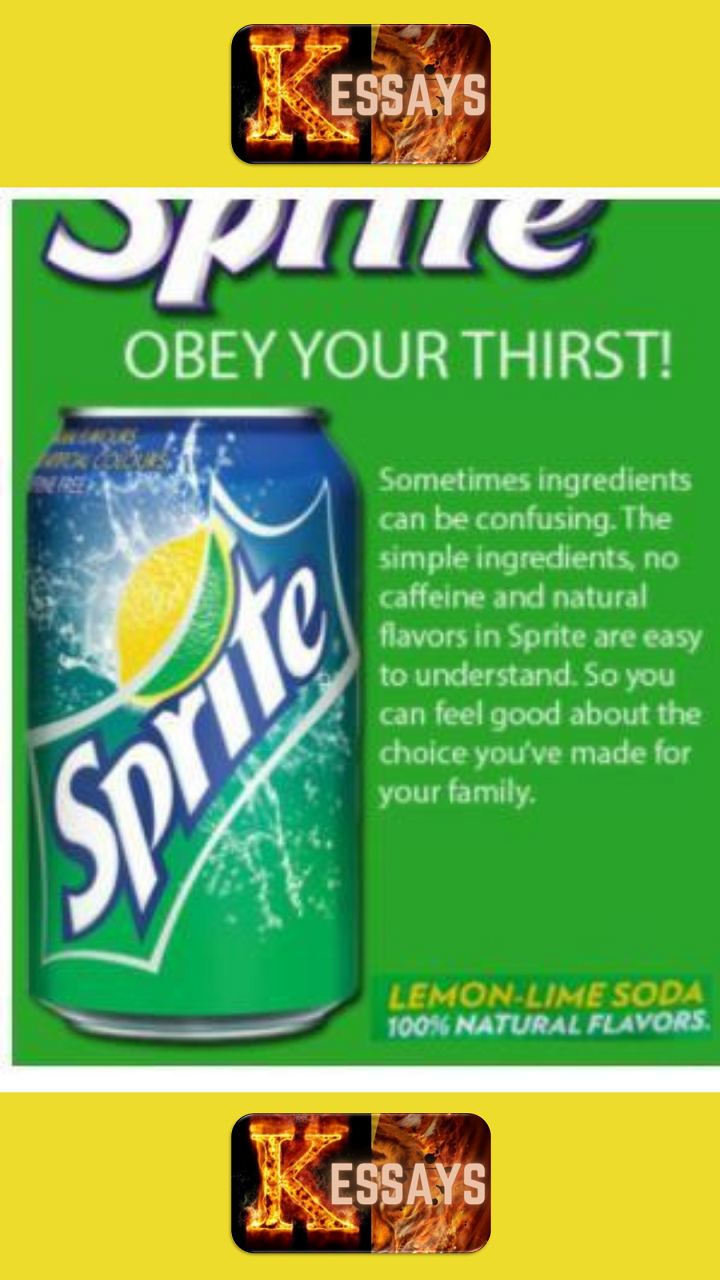
Logos is the appeal that uses reasoning, facts, and clear information to persuade the audience. Sprite ads employ logos by highlighting product characteristics such as its lemon lime flavor, cooling effect, and the simplicity of its ingredients. Some ads contrast Sprite with heavier or overly sweet drinks in order to position Sprite as the more refreshing choice. These comparisons create logical justification for choosing the product. When consumers are presented with clear reasons to prefer Sprite, the advertisement strengthens its overall persuasive effect by appealing to rational decision making.
Read Also: Non-Plagiarized Essay Help
III. Rhetorical Devices in Sprite Advertising
Rhetorical devices are stylistic and linguistic techniques that enhance the persuasive effect of a message, and they play a key role in any complete rhetorical analysis. In advertising, rhetorical devices help shape how audiences interpret meaning, remember key messages, and form emotional or logical connections with a product. This section explains how Sprite ads use common rhetorical devices to strengthen their impact and create a memorable brand image. By understanding these devices, students can develop stronger analytical skills and recognize how advertisers craft messages that influence consumer behavior.
Metaphors and Similes
Metaphors and similes create vivid imagery that helps viewers associate Sprite with freshness, energy, or sensory pleasure. For example, describing Sprite as a burst of citrus or comparing its cooling effect to a summer breeze allows the audience to imagine the taste and sensation of the beverage. These figures of speech simplify complex ideas and turn them into clear, relatable impressions, which makes the advertisement more engaging and memorable.
Alliteration and Repetition
Alliteration and repetition increase the memorability of the advertisement. Alliteration uses repeated sounds to create rhythm and make phrases more appealing, while repetition reinforces key ideas or slogans. Sprite is well known for its repeated catchphrase “Obey Your Thirst,” which strengthens brand recognition and ensures that the message stays with the viewer. Repetition also helps emphasize the product’s main qualities, such as refreshment and authenticity.
Juxtaposition
Juxtaposition places contrasting images or ideas next to each other to highlight differences and create a strong visual message. Sprite ads often contrast ordinary daily moments with scenes of heightened excitement or refreshment that occur after drinking the beverage. This contrast suggests that Sprite transforms simple experiences into enjoyable ones. Juxtaposition helps viewers recognize the intended improvement and reinforces the idea that Sprite brings energy, clarity, or freshness to everyday life.
IV. Case Studies: Applying Rhetorical Analysis to Specific Ads
Case studies allow students to see how rhetorical analysis works in real advertising contexts. By examining individual Sprite ads, we can observe how rhetorical appeals, rhetorical devices, and audiovisual techniques work together to persuade the audience. These examples demonstrate how theory becomes practice and help students identify persuasive strategies in authentic media.
A. Ad 1: “Refreshing Revitalization”
Context
This ad presents a lively urban setting with young characters who appear tired or overheated before opening a bottle of Sprite. The theme focuses on transformation through refreshment. The narrative shows how drinking Sprite restores energy and improves the mood of the characters.
Rhetorical Appeals
Ethos appears when well known cultural figures or athletes appear in the ad, which increases credibility and trust. Pathos is created through emotional scenes that show relief, excitement, and social connection after drinking Sprite. Logos is present when the ad highlights the crisp taste or refreshing qualities of the drink, giving viewers a logical reason to choose it.
Rhetorical Devices
Metaphors that compare Sprite to a cooling wave or an instant lift enhance the message of revitalization. Alliteration in short phrases and repetition of key words or slogans reinforces brand identity. Contrasts between tired characters before drinking the beverage and energized characters after create a clear persuasive effect.
Visual and Sound Elements
Bright green and yellow color palettes signal freshness and cleanliness. Upbeat music and sharp sound cues emphasize the moment the bottle opens, which intensifies the sensory appeal. Together, these elements guide the viewer to feel the refreshment that the ad promises.
B. Ad 2: “Summer Fun and Cool Refreshment”
Context
This ad is set in an outdoor summer environment such as a beach, poolside, or playground. The message centers on social enjoyment and the role Sprite plays in creating fun moments. Characters appear relaxed and playful, reinforcing the idea that Sprite belongs in warm weather activities.
Rhetorical Appeals
Pathos is strong in this ad because it uses emotional storytelling that celebrates fun, friendship, and relaxation. Ethos arises from the reputation of the Coca Cola brand, which signals reliability and quality. Logos appears when the ad describes Sprite as light, crisp, or perfectly suited for hot weather, which forms a logical argument for choosing it during summer.
Rhetorical Devices
Sensory language and vivid imagery help the audience imagine the cold, citrus freshness of the drink. Repetition of taglines creates memorability, and comparisons between ordinary heat and the cooling effect of Sprite highlight the product’s benefits.
Cinematic Techniques
Quick edits, smooth transitions, and dynamic pacing reflect the energy of summer activities. Camera angles that capture close ups of Sprite being opened or poured emphasize sensory detail. Wide shots of group interaction help communicate the social appeal of the product. These techniques make the advertisement visually engaging and emotionally uplifting.
Read Also: Transference and Countertransference in Therapy
Rhetorical Analysis in Marketing and Advertising
Rhetorical analysis is an essential tool in marketing and advertising because it helps explain how campaigns persuade audiences, shape consumer perceptions, and influence purchasing behavior. By examining the rhetorical strategies that appear in advertisements, students can understand why certain messages feel convincing, memorable, or emotionally powerful. This section introduces the main rhetorical appeals and rhetorical devices used in marketing and shows how they work together to create strong and effective promotional content.
Rhetorical Devices in Marketing
In addition to rhetorical appeals, marketers often use rhetorical devices to make their messages more vivid, memorable, and persuasive. These devices help shape how audiences interpret meaning and strengthen the overall impact of the campaign.
Metaphors and Similes
Metaphors and similes help audiences visualize benefits and form emotional or sensory associations with the product. By comparing a product to a feeling, experience, or natural image, advertisers create vivid mental pictures that remain with the viewer long after the ad ends.
Alliteration and Repetition
Alliteration uses repeated sounds to create rhythm and make phrases more appealing. Repetition reinforces key words, slogans, or ideas so that the viewer remembers them easily. These techniques support brand identity and help the message stay in the audience’s mind.
Hyperbole
Hyperbole involves intentional exaggeration to create excitement or emphasize a product’s appeal. By overstating certain qualities in a playful or dramatic way, advertisers draw attention, increase viewer interest, and highlight what makes the product stand out.
Case Study Approach
A case study approach allows students to apply rhetorical analysis to real marketing campaigns and observe how persuasive techniques function in practice. By studying specific advertisements, students can see how rhetorical appeals and rhetorical devices come together to influence an audience. This method helps develop critical thinking skills by showing how theory is used to interpret actual media examples.
When analyzing a campaign, students should follow a structured process that highlights the key elements of rhetorical analysis:
Describe the Context and Goals
Begin by explaining the setting, target audience, and purpose of the campaign. This includes identifying the message the advertiser wants to communicate and the consumer behavior the brand hopes to influence.
Identify the Rhetorical Appeals
Determine how the campaign uses rhetorical appeals. Ethos may appear through credible sources or brand reputation. Pathos may appear through emotional storytelling or expressive visuals. Logos may appear through logical explanations, product features, or factual claims. Recognizing these appeals helps explain why the advertisement persuades in a particular way.
Examine Rhetorical Devices
Identify the rhetorical devices that strengthen the message, such as metaphors, similes, repetition, hyperbole, and vivid imagery. These devices help create emphasis, build emotional resonance, and make the ad more memorable.
Analyze Visuals, Taglines, Tone, and Design Choices
Evaluate the visual composition of the ad, the style and wording of the tagline, the overall tone, and any design elements such as color, lighting, or layout. These components work together to shape the viewer’s perception and reinforce the message.
Importance of Rhetorical Analysis in Marketing
Rhetorical analysis is a crucial tool for understanding how marketing messages are constructed and how they influence audiences. By examining rhetorical strategies, marketers and students can gain valuable insights into the effectiveness of advertising campaigns. The importance of rhetorical analysis in marketing can be explained through several key points:
1. Designing Clear and Persuasive Messages
Rhetorical analysis helps marketers identify which strategies are most effective in conveying a message. By understanding how rhetorical appeals such as ethos, pathos, and logos work, professionals can create advertisements that are clear, compelling, and persuasive. This ensures that the intended message reaches the audience in a way that is easy to understand and difficult to ignore.
2. Strengthening Brand Identity
Through rhetorical analysis, marketers can examine how visual, verbal, and emotional cues contribute to a brand’s image. By carefully crafting messages that consistently use persuasive techniques, companies can reinforce their identity, build credibility, and maintain a recognizable presence in the minds of consumers. A strong brand identity increases loyalty and makes marketing campaigns more memorable.
3. Influencing Consumer Behavior
Understanding how rhetorical appeals and devices affect emotions, reasoning, and perception allows marketers to guide consumer decision-making. Rhetorical analysis reveals which strategies motivate action, encourage engagement, or create desire for a product. By applying these insights, marketing campaigns can more effectively shape purchasing behavior and brand preference.
4. Enhancing Media Literacy
Rhetorical analysis is not only useful for marketers but also for students and consumers. By studying how advertisements use rhetorical appeals and devices, students develop critical thinking skills and become more aware of the persuasive techniques used in everyday media. This increased media literacy helps individuals recognize bias, evaluate messages, and make informed choices when engaging with advertisements.
5. Improving Campaign Effectiveness
Finally, rhetorical analysis allows marketers to assess the strengths and weaknesses of their campaigns. By evaluating which appeals and devices resonate most with the audience, marketers can refine their communication strategies, maximize engagement, and improve overall impact. This iterative process leads to more successful marketing efforts that achieve both short-term goals and long-term brand growth.

Comments are closed!