Introduction
What Is the Capsim Business Simulation?
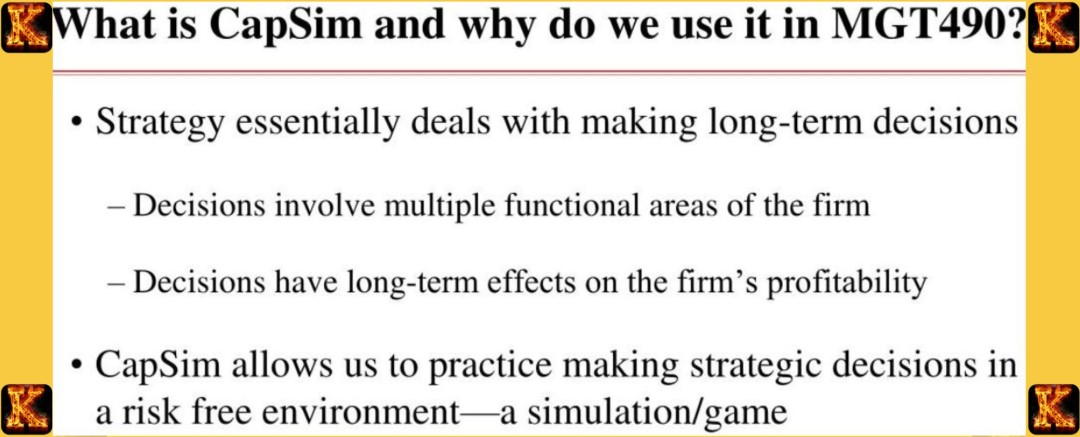
Capsim is a business simulation software widely used in academic settings to help students understand how real organizations operate in competitive markets. It places learners in control of a virtual company and requires them to make coordinated managerial decisions over multiple rounds while competing directly with other teams. The simulation is designed to mirror real business complexity, where choices in one area influence outcomes across the entire organization.
Key Characteristics of Capsim
Decision-Based Learning
Capsim is built around active decision-making rather than passive learning. Students are required to make choices related to product design, pricing, production levels, marketing budgets, and financing. Each decision produces measurable outcomes such as changes in demand, profitability, market share, and stock price. This structure helps students clearly see the cause-and-effect relationship between managerial decisions and business performance.
Cross-Functional Management
The simulation integrates all major business functions, including Research and Development, Marketing, Production, and Finance. Students learn that these departments cannot operate independently. For example, a marketing decision to increase demand must be supported by sufficient production capacity and sound financial planning. This reinforces the importance of coordination and alignment across departments.
Competitive Market Environment
Capsim places teams in direct competition with one another. Companies compete for market share, customer loyalty, and profitability, just as real firms do. Competitor decisions influence market conditions, forcing students to analyze rivals, anticipate actions, and adjust strategies accordingly. This environment teaches strategic awareness and competitive analysis.
Multi-Round Structure
The simulation is conducted over several rounds, with each round representing a business period. Decisions made in early rounds affect future performance, encouraging long-term planning and strategic consistency. Students learn that short-term gains achieved through poor decisions can create long-term problems, highlighting the value of sustainable strategy and continuous improvement.
Read Also: Business Ethics and Social Responsibility for SMEs
Core Purpose of Capsim
The primary purpose of Capsim is to help students develop a strong, practical understanding of how businesses operate by engaging them in applied, hands-on learning. Rather than memorizing concepts, learners actively experience how strategic and operational decisions shape organizational outcomes over time.
Application of Business Theory
Capsim enables students to apply theoretical concepts from strategy, marketing, operations, and finance within a single, integrated environment. Instead of studying these subjects separately, learners see how ideas such as competitive positioning, pricing strategy, capacity planning, and financial structure work together in practice. This helps bridge the gap between classroom theory and real business application.
Understanding Interdepartmental Impact
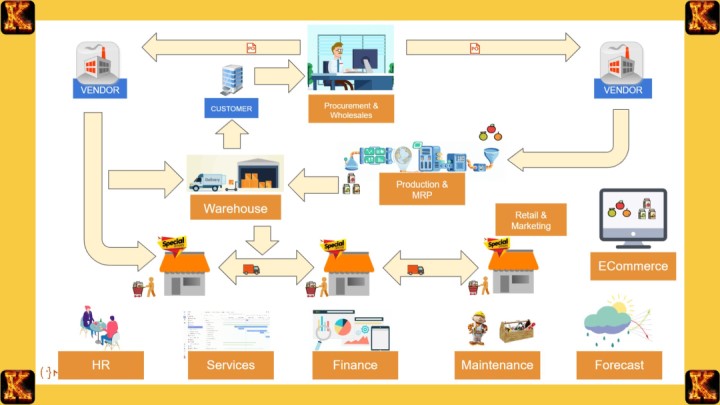
One of Capsim’s key learning objectives is to show how decisions in one department affect the entire organization. For example, increasing marketing spending may raise demand, but without sufficient production capacity, the company may face stockouts and lost sales. Similarly, automation decisions influence costs, cash flow, and long-term profitability. This teaches students to think holistically rather than in functional silos.
Development of Strategic Thinking
Capsim emphasizes long-term planning, analysis, and adaptation. Students are rewarded for setting clear strategies, monitoring performance data, and making informed adjustments across simulation rounds. The simulation discourages random or short-term decision-making and instead reinforces disciplined, evidence-based strategic thinking.
Preparation for Real-World Business
Capsim is widely used in courses on strategy, marketing, operations management, and finance because it closely mirrors real managerial challenges. Students must balance growth, risk, competition, and resource constraints, preparing them for the complex trade-offs they will face in real-world business environments.
Read Also: Company Description in Business Plan Assignment
Understanding the Capsim Simulation Structure
To fully benefit from strategic Capsim business simulation help, learners must first understand how the simulation is structured and how decisions are organized. Capsim is designed around interconnected functional areas, and success depends on managing these areas in a coordinated and strategic manner rather than treating them independently.
Functional Areas in Capsim
Each simulation round requires students to make decisions across four core departments. Every department plays a distinct role, but all are closely linked.
Research and Development (R&D)
Research and Development is responsible for product design and improvement. Decisions in this area determine key product attributes such as performance, size, and reliability. These attributes must align with the preferences of specific customer segments to generate demand. Poor R&D decisions can result in products that fail to meet market expectations, even if other departments perform well.
Marketing
The Marketing department focuses on creating demand for products. Decisions include setting prices, allocating promotion budgets to build customer awareness, and investing in sales efforts to improve product accessibility. Marketing choices directly influence how many customers know about a product and how easily they can purchase it, which in turn affects sales volume and market share.
Production
Production manages how products are manufactured and delivered to the market. Key decisions include capacity expansion, automation levels, and inventory management. Efficient production planning helps lower unit costs, meet customer demand on time, and avoid costly shortages or excess inventory that can reduce profitability.
Finance
The Finance department supports all other areas by managing the company’s financial resources. Decisions involve issuing debt or equity, setting dividend policies, and ensuring sufficient cash flow. Effective financial management ensures the company remains solvent, can fund strategic investments, and maintains long-term financial stability.
How to Navigate the Capsim Platform Effectively
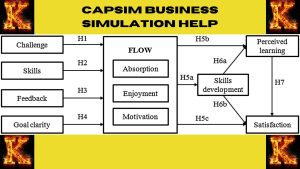
Successfully using Capsim requires more than simply entering decisions. Students must understand how the platform is organized and how to interpret the information it provides. Capsim is designed as a decision support system, and learners who know where to find data and how to use it are better positioned to make informed and strategic choices throughout the simulation.
Learning the Capsim Interface
The Capsim dashboard functions as the central control point for all company activities. It brings together decision inputs, forecasts, and performance feedback in one place. Students should take time to explore and understand the following core components.
Decision Screens for Each Department
Each functional area has a dedicated decision screen, including Research and Development, Marketing, Production, and Finance. These screens are where students enter all operational and strategic choices. Decisions made in one department often affect outcomes in others. For example, increasing marketing demand without adjusting production capacity can lead to stockouts. Understanding how to navigate these screens and how the inputs interact helps reduce errors and supports coordinated decision-making.
Proformas and Financial Forecasts
Proformas are projected financial statements generated based on the decisions entered for a given round. They include forecasts such as income statements, balance sheets, and cash flow estimates. Proformas allow students to evaluate whether their decisions are financially sustainable before finalizing them. By reviewing these forecasts, learners can identify potential problems such as negative cash flow, excessive debt, or low profitability and make adjustments in advance.
Courier and Performance Reports
Courier and performance reports are released after each simulation round and provide detailed feedback on company results. These reports include information on market share, customer satisfaction, product positioning, and financial performance. They explain how customer behavior and competitor actions influenced outcomes. Carefully reviewing these reports helps students understand why certain results occurred and guides better decision-making in future rounds.
Read Also: Game Theory Assignment Help
Using Capsim Reports for Learning
Reports generated after each simulation round are essential learning tools rather than simple performance summaries. They provide detailed feedback on how decisions affected the company and the market. Students who regularly analyze these reports develop a deeper understanding of business dynamics and improve their strategic decision-making over time.
Identifying Strengths and Weaknesses
Capsim reports present financial results, customer perceptions, and operational outcomes in a structured format. By examining metrics such as profitability, market share, contribution margin, and customer satisfaction, students can identify which decisions were effective and which were not. This process helps learners recognize strong areas, such as successful pricing or efficient production, as well as weaknesses like poor product positioning or high costs that need correction.
Comparing Performance with Competitors
The reports also include comparative data showing how each team performed relative to competitors. This information helps students understand their competitive position in the market. By analyzing differences in pricing, demand, automation levels, and financial performance, learners can determine why competitors may be outperforming them and what strategic changes are necessary to remain competitive.
Adjusting Strategies Based on Data
Effective teams use insights from Capsim reports to make informed adjustments in future rounds. Data from the reports can guide changes in product design, marketing budgets, production capacity, and financial structure. This reinforces the importance of evidence-based decision-making and strategic adaptation rather than relying on intuition or guesswork.
Careful and consistent analysis of Capsim reports is far more effective for learning and improvement than relying on generic Capsim simulation answers found online, which often fail to account for specific market conditions and strategic context.
Read Also: The Impact of UK Data Protection Laws on E-commerce
Capsim Business Simulation Best Strategy: Broad Differentiator Explained
Broad Differentiator Explained
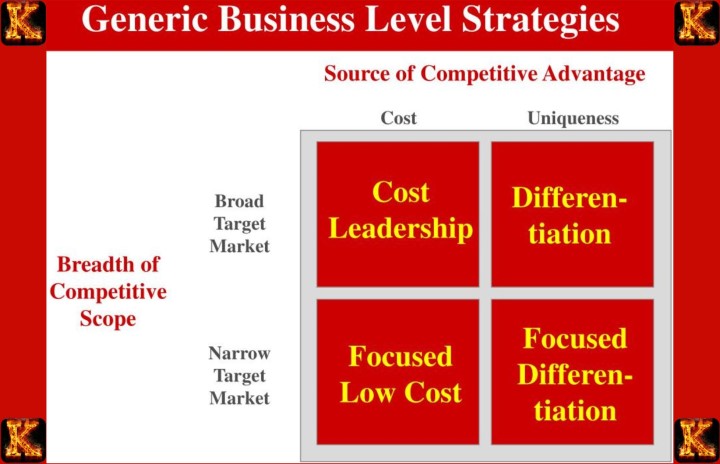
One of the most commonly taught and effective approaches in Capsim is the broad differentiator strategy. This strategy is especially important for students who want to understand how to compete across multiple market segments while building long term competitive strength. It emphasizes value creation, visibility, and consistency rather than short term cost cutting.
What Is the Broad Differentiator Strategy
The broad differentiator strategy is designed to attract a wide range of customers by offering products that stand out in terms of features and perceived value.
Serving a Large Market Segment
This strategy targets a broad customer base rather than a narrow niche. The goal is to capture significant market share by appealing to multiple customer segments with products that meet or closely match their expectations. This requires careful analysis of segment preferences and market size.
Offering Products with Superior or Distinctive Features
Product differentiation is central to this strategy. Teams focus on designing products with strong performance, appropriate size, reliable service life, and features that align with customer buying criteria. These characteristics help products stand out from competitors and justify customer preference.
Investing Heavily in Marketing and Brand Awareness
High spending on promotion and sales is used to increase customer awareness and accessibility. Marketing investments ensure that customers know about the product and can easily purchase it, which is essential when serving large markets.

Why This Strategy Works in Capsim
The broad differentiator strategy aligns well with the mechanics of the Capsim simulation and how customer demand is generated.
Customer Segments Reward Close Ideal Positioning
Capsim customer segments favor products that closely match their ideal performance and size positions. Teams that continuously update products through Research and Development gain higher customer satisfaction and demand.
High Awareness and Accessibility Increase Demand
Capsim demand is strongly influenced by awareness and accessibility. Products with strong marketing support sell more units, even in competitive markets, making marketing investment a critical success factor.
Early Brand Loyalty Creates Long Term Advantages
Building customer loyalty in early rounds provides ongoing benefits. Loyal customers are more likely to repurchase, which stabilizes demand and strengthens competitive positioning in later rounds.
Read Also: Mikes Bikes Strategic Plan: Setting the Course for Success
Key Requirements for Success
Successful implementation of the broad differentiator strategy depends on disciplined execution across departments.
Designing Products That Track Customer Preferences
Teams must regularly update product designs to reflect changing customer expectations. Ignoring shifts in ideal positions can quickly reduce demand and market share.
Maintaining Competitive Pricing While Justifying Value
Prices should remain competitive within each segment while reflecting the added value of differentiated products. Pricing that is too high reduces demand, while pricing too low can harm profitability and brand perception.
Supporting Demand with Adequate Production Capacity
Marketing and product quality create demand, but production must be able to meet it. Teams must plan capacity and inventory carefully to avoid stockouts or excess inventory, both of which negatively affect performance.
Understanding and applying the broad differentiator strategy helps students develop a structured approach to competition and improves overall performance in the Capsim business simulation.
Read Also: Non-Plagiarized Essay Help
Strategic Use of Automation in Capsim
Automation is a core operational concept in business simulation examples and plays a significant role in cost management.
Benefits of Automation
Higher automation levels:
-
Reduce labor costs per unit
-
Improve long-term margins
-
Increase operational efficiency
Risks of Delayed Automation
Failing to automate early often leads to:
-
Higher variable costs
-
Lower profitability in later rounds
Learners should view automation as a strategic investment rather than a short-term expense.
Writing a Strong Capsim Simulation Report
A Capsim simulation report is an essential academic deliverable that shows a student’s understanding of business strategy, decision-making, and outcomes. It is not just a record of results but a reflection of how well a team analyzed the market, made strategic choices, and adapted to changing conditions. A strong report demonstrates critical thinking, data interpretation, and strategic reasoning.
Essential Sections of a Capsim Report
Introduction
The introduction provides an overview of the company’s strategy, objectives for the simulation rounds, and the key goals for the team. It should clearly state the selected strategy, such as the broad differentiator approach, and explain what the team aims to achieve in terms of market share, customer satisfaction, and financial performance.
Strategy Overview
This section explains why the chosen strategy was selected and how it aligns with the company’s vision. It should detail the rationale behind decisions in product design, marketing, production, and finance. Students should also describe how the strategy addresses market opportunities and competitor positioning.
Product Design and Positioning
Here, the report outlines the product attributes, including performance, size, service life, and pricing. Students should explain how these features meet the expectations of target customer segments and how product positioning supports the overall strategy.
Market and Competitor Analysis
This section evaluates the competitive environment and market trends. It should include insights into competitors’ actions, segment demand, and customer preferences. The goal is to show how market analysis influenced decision-making and strategy adjustments.
Financial Performance Review
Students interpret key financial metrics such as revenue, costs, profitability, liquidity, and shareholder value. This section links financial outcomes to strategic choices and explains how decisions in production, marketing, and R&D impacted performance.
Learning and Adaptation
The final section reflects on lessons learned, mistakes made, and adjustments implemented during the simulation. Students should explain how insights from reports and outcomes informed subsequent rounds and strategic refinements.
Using this structured approach ensures that a Capsim report is comprehensive, demonstrates deep understanding, and meets academic standards for clarity and rigor.
Read Also: Portfolios Branding Strategy: Building a Strong Brand Identity
Capsim Business Simulation Reflection: Learning from Rounds
Reflection is an essential part of the Capsim business simulation because it allows students to analyze their decisions, understand outcomes, and apply lessons to future rounds. Effective reflection focuses on identifying what worked, what did not, and why, rather than only reporting numerical results.
Common Learning Themes
The Importance of Early Planning
Students learn that preparing decisions in advance sets the foundation for long-term success. Early planning in product development, capacity expansion, and marketing ensures that the company can meet demand, avoid stockouts, and maintain financial stability. Failing to plan early often leads to emergency measures such as unplanned loans or rushed product changes.
The Risks of Overextending Product Lines
Managing too many products or entering too many market segments simultaneously can dilute resources and reduce efficiency. Students learn that spreading R&D, marketing, and production efforts too thin can increase costs, lower quality, and reduce focus on high-potential products, ultimately harming profitability and market performance.
The Impact of Timing on Financing Decisions
The timing of financial decisions, such as taking loans or issuing stock, directly affects liquidity and long-term stability. Students learn that poorly timed financing can create unnecessary debt, missed investment opportunities, or cash flow shortages, which can disrupt operations and strategic initiatives.
Strategic Balance
Balancing Long-Term Investment Versus Short-Term Results
Students must learn to invest in strategies that support sustainable growth while also achieving acceptable short-term performance. Overspending on long-term projects without considering immediate cash flow can lead to financial strain, while focusing only on short-term gains can undermine future competitiveness.
Balancing Growth Ambitions Versus Operational Control
Expanding too quickly or aggressively pursuing market share can create operational challenges. Students learn to manage growth by ensuring production capacity, supply chain reliability, and quality standards match expansion plans. Strategic reflection emphasizes finding equilibrium between ambition and control.
Expanding into International Markets in Capsim
Many Capsim simulations include opportunities to expand into international markets, such as Germany and China. Entering these markets requires careful strategic planning because international business conditions differ from domestic ones. Students must understand how local customer preferences, economic factors, and operational requirements affect performance in global markets.
Key Considerations
Differences in Customer Purchasing Power
Students need to analyze how much customers in each international market are willing and able to spend. Products priced appropriately for one market may be too expensive or undervalued in another. Understanding purchasing power helps set realistic pricing, marketing, and sales strategies that maximize demand while maintaining profitability.
Market Size and Growth Rates
International markets vary in size and growth potential. Students should evaluate the total potential demand, customer segment sizes, and expected growth trends. Entering a market with high growth potential can generate long-term benefits, but small or declining markets may require a more cautious approach.
Production and Logistics Capacity
Expanding internationally requires sufficient production capacity, efficient supply chains, and effective distribution channels. Students must ensure that the company can produce enough units to meet demand, deliver products on time, and manage costs. Failure to align production and logistics with market requirements can result in stockouts, delayed shipments, and lost sales.
Adapting Strategies for Local Markets
Strategic Capsim business simulation help emphasizes that international expansion is not about copying domestic strategies. Each market has unique customer preferences, competitive dynamics, and economic conditions. Students must adjust product design, pricing, marketing, and production plans to align with local market needs to achieve success.
Read Also: Cash in Financial Accounting
How to Prepare for a Capsim Business Simulation
Effective preparation is critical for success in Capsim. Students who approach the simulation with a clear plan, understanding of key concepts, and coordinated team strategy are more likely to make informed decisions and achieve better results. Preparation also reduces stress and helps learners focus on learning rather than reacting to unexpected challenges.
Recommended Preparation Steps
Review Course Concepts Before Each Round
Students should refresh their knowledge of key business topics such as strategy, marketing, operations, and finance before making decisions. Understanding concepts like market segmentation, contribution margin, automation, and cash flow helps ensure that decisions are aligned with theory and maximize performance in the simulation.
Practice Interpreting Capsim Reports
Capsim reports provide detailed feedback on past rounds. Students should practice reading financial statements, market analysis data, and performance metrics to identify trends and understand the impact of previous decisions. Developing this skill allows teams to make data-driven adjustments rather than relying on intuition or guesswork.
Align Team Members Around a Clear Strategy
If the simulation is team-based, it is essential to ensure all members understand and agree on the strategy. Clear communication helps prevent conflicting decisions in R&D, marketing, production, and finance. Alignment also allows teams to allocate responsibilities efficiently and respond quickly to market changes.
Avoid Relying on Unverified Capsim Cheats or Shortcuts
While it may be tempting to search for generic answers online, these shortcuts rarely account for the specific context of your team, market conditions, and strategy. Relying on cheats can undermine learning and lead to poor performance. Capsim rewards careful planning, analytical thinking, and consistent execution over random or copied decisions.

Conclusion
Capsim is more than just a game. It is a structured learning system designed to replicate the complexity and interconnectedness of real-world business environments. Success in the simulation depends on understanding how functional areas interact, making informed strategic decisions, analyzing performance data, and reflecting on results to improve future rounds.
Strategic Capsim business simulation help is most effective when it emphasizes conceptual understanding. Students should focus on learning why decisions work or fail rather than only seeking high scores. This involves understanding market dynamics, customer preferences, product positioning, and financial implications.
Disciplined execution is equally important. Consistently applying strategy across R&D, marketing, production, and finance ensures that decisions reinforce each other and drive sustainable performance. Random or impulsive choices often lead to poor outcomes and limit learning.
Continuous learning rounds out the approach. Analyzing reports, reflecting on successes and mistakes, and adapting strategies in response to feedback builds stronger business intuition. By following these principles, students not only improve their simulation results but also develop critical thinking, strategic planning, and decision-making skills that are directly applicable to real-world business situations.
Comments are closed!