Introduction
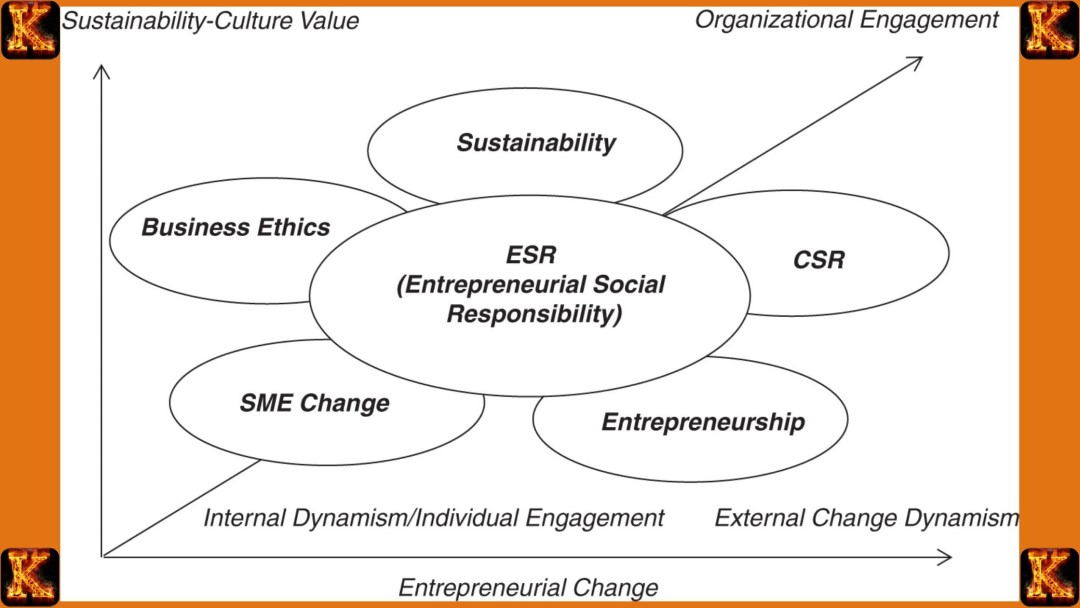
Business ethics and social responsibility for SMEs have become central to sustainable entrepreneurship in modern economies. As markets grow more transparent and stakeholders more informed, small and medium enterprises are increasingly evaluated not only on financial performance but also on ethical conduct and societal impact. Understanding business ethics and social responsibility enables SMEs to operate responsibly while maintaining competitiveness and long-term viability.
In practice, Business Ethics and Corporate Social Responsibility guide how SMEs interact with customers, employees, suppliers, regulators, and communities. Ethical decision-making influences trust, while social responsibility for SMEs in business reflects a commitment to economic, social, and environmental well-being. Together, these concepts shape enterprise reputation, stakeholder confidence, and resilience.
The relationship between business ethics and social responsibility is particularly critical for SMEs because their operations are closely tied to local communities and personal relationships. Ethical lapses or socially irresponsible behavior can quickly damage credibility, whereas responsible conduct strengthens brand image and organizational performance. This article explores these concepts in depth, providing students with a clear framework for understanding how ethics and social responsibility apply specifically to small and medium enterprises.

Business Ethics and Social Responsibility in Business
Business ethics shape how SMEs make everyday decisions that affect stakeholders and long-term performance. Ethical standards guide fair pricing, transparent communication, lawful operations, and respectful employee treatment. When decisions are grounded in honesty and accountability, SMEs reduce conflicts, avoid legal risks, and build consistency in management practices. Ethical decision-making also supports leadership credibility, ensuring that business choices align with accepted moral norms rather than short-term financial pressure.
Social Responsibility Beyond Profit Objectives
Social responsibility requires SMEs to recognize that their activities affect society and the environment, not just financial outcomes. This includes responsible use of resources, safe products, fair labor practices, and community involvement. By addressing social and environmental impacts, SMEs contribute to sustainable development while maintaining public trust. Social responsibility encourages businesses to balance profitability with long-term societal well-being, reinforcing their role as responsible economic participants.
Ethics and Social Responsibility as Interconnected Concepts
Ethics and social responsibility function as complementary elements of responsible business conduct. Ethical principles define internal behavior, guiding how decisions are made and how people are treated within the organization. Social responsibility applies these principles externally through actions that benefit society and the environment. This connection ensures consistency between values and behavior, preventing situations where public responsibility efforts conflict with internal business practices.
Relevance to Small and Medium Enterprises
For SMEs, ethical behavior and social responsibility are highly visible due to close interactions with stakeholders. Customers, employees, and communities often associate business conduct directly with owners and managers. As a result, responsible behavior quickly builds trust and loyalty, while unethical actions can damage reputation. Ethical and socially responsible practices therefore play a critical role in ensuring stability, competitiveness, and long-term sustainability for SMEs.
Read Also: Best Economics Essay Writing Services 2026
Features of Business Ethics in SMEs
The features of business ethics describe how small and medium enterprises (SMEs) turn moral principles into practical daily operations. Because SMEs often interact closely with customers, employees, and suppliers, ethical behavior is highly visible and directly influences reputation and trust. These features guide consistent decision-making, prevent shortcuts, and balance profitability with responsibility.
They ensure that SMEs operate transparently, respect legal and moral standards, and maintain long-term stability while fostering stakeholder confidence. Understanding these features helps students see how ethical principles shape both internal culture and external relationships in smaller businesses, highlighting the importance of ethics beyond compliance.
Integrity in Decision-Making
Integrity ensures SME leaders make decisions based on honesty, fairness, and long-term interest rather than immediate profit. This builds credibility with stakeholders, strengthens loyalty, and reduces conflicts. Ethical decisions create a reputation for reliability, fostering confidence in business commitments and ensuring that both internal teams and external partners trust the enterprise consistently.
Transparency in Operations
Transparency involves open and clear communication about policies, pricing, and practices. For SMEs, sharing accurate information with employees, customers, and suppliers reduces misunderstandings, enhances accountability, and improves stakeholder relationships. Transparent operations reinforce trust, signal reliability, and prevent disputes, creating a culture where information flows honestly and decisions are visible and understandable.
Accountability to Stakeholders
Accountability requires SMEs to accept responsibility for their actions and outcomes. This includes considering the effects of business decisions on employees, customers, suppliers, and the wider community. Holding the business accountable ensures that ethical responsibility extends beyond internal processes, demonstrating that SMEs take their social and operational impact seriously and align actions with stated values.
Respect for Legal and Moral Standards
Respect for legal and moral standards means operating within the law while also adhering to societal ethical norms. This dual approach reduces regulatory risks, prevents unethical shortcuts, and ensures that the business is seen as responsible. SMEs that respect these standards foster trust and credibility while supporting sustainable, principled growth.
Consistency in Ethical Behavior
Consistency ensures ethical standards are applied uniformly across all situations and over time. For SMEs, consistent ethical behavior reinforces organizational culture, prevents selective or opportunistic decisions, and strengthens long-term stakeholder trust. Consistency signals reliability, showing that ethics are embedded in the business’s identity rather than applied only when convenient.
Social Responsibility for SMEs in Business
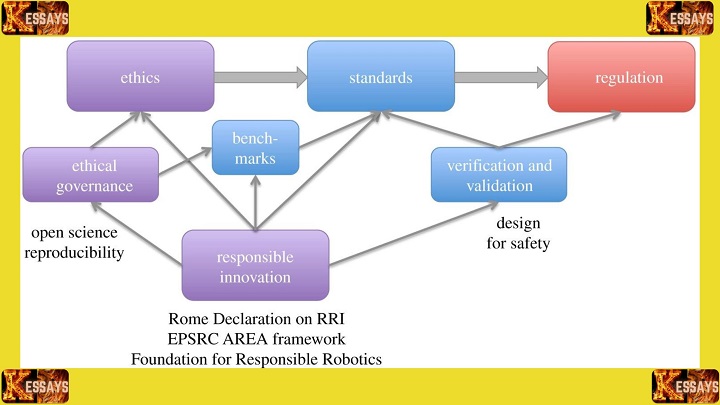
Social responsibility for SMEs in business emphasizes the obligation of small and medium enterprises to consider the social and environmental consequences of their operations while pursuing financial objectives. Because SMEs are deeply connected to local economies and communities, their decisions have immediate and visible effects on employees, customers, and the environment.
Implementing socially responsible practices not only strengthens stakeholder trust but also supports long-term sustainability and business resilience. By actively engaging in responsible employment, environmental stewardship, community support, and ethical customer relations, SMEs demonstrate that profitability and social responsibility can coexist, helping them maintain credibility, legitimacy, and relevance in the marketplace.
Responsible Employment Practices
SMEs fulfill social responsibility by ensuring fair wages, safe work environments, and opportunities for skill development. These practices enhance employee morale, increase productivity, and reduce turnover. A stable, motivated workforce supports sustainable growth while reflecting the business’s commitment to the well-being and professional development of its employees.
Environmental Stewardship
Environmental responsibility in SMEs involves minimizing waste, conserving resources, and adopting eco-friendly practices. Even simple measures such as energy-efficient operations or sustainable packaging reduce environmental impact. These actions demonstrate a commitment to long-term sustainability and show that the business considers broader ecological consequences in its day-to-day operations.
Support for Local Communities
SMEs strengthen their social responsibility by engaging with local communities. This includes sourcing from local suppliers, participating in community projects, and contributing to local economic development. Such involvement fosters positive relationships, enhances the enterprise’s reputation, and positions it as a reliable and responsible community partner.
Ethical Customer Engagement
Social responsibility extends to honest and transparent interactions with customers. SMEs promote product safety, accurate marketing, and respectful communication. Ethical customer engagement builds trust, enhances brand credibility, and ensures that the business is perceived as socially aware and accountable for the impact of its products and services.
Read Also: Applying System Dynamics in Carbon Credit Trading
CSR in Small and Medium Enterprises
Corporate Social Responsibility (CSR) in small and medium enterprises (SMEs) demonstrates how smaller businesses embed ethical, social, and environmental considerations into everyday operations. Unlike large corporations, SMEs implement CSR through practical actions that are closely tied to their immediate communities and business realities. CSR in SMEs is often more authentic because initiatives directly affect local stakeholders and are visible in day-to-day activities.
When CSR is integrated into business strategy rather than treated as an optional add-on, it strengthens trust with customers and employees, enhances reputation, and contributes to long-term resilience. Understanding CSR in SMEs helps students see how ethical responsibility and strategic objectives can coexist to promote sustainable growth.
Locally Focused CSR Initiatives
SMEs tailor CSR initiatives to the needs of their local communities, addressing social, economic, and environmental challenges that directly impact stakeholders. This can include funding community projects, supporting local schools, or partnering with nearby suppliers to boost the local economy. Localized CSR ensures that efforts have tangible outcomes, enhance stakeholder engagement, and foster goodwill that strengthens the SME’s credibility and long-term relationships.
By focusing on local impact, SMEs demonstrate responsiveness to their immediate environment, which builds trust and positions the business as a socially responsible and community-oriented enterprise.
Ethical Sourcing and Supply Practices
Ethical sourcing in SMEs ensures that suppliers adhere to fair labor standards, environmental protection, and safe working conditions. By carefully selecting suppliers who share these values, SMEs reduce reputational risks associated with unethical practices and strengthen the integrity of their supply chain. Ethical sourcing fosters trust between the business, suppliers, and consumers, while also supporting sustainable economic and social practices.
Integrating responsible sourcing into procurement decisions demonstrates that SMEs consider the broader impact of their operations, enhancing transparency and reinforcing their commitment to socially responsible business conduct.
Workplace Health and Safety Commitment
CSR in SMEs includes prioritizing employee well-being through safe and supportive work environments. Measures such as workplace safety training, health programs, and ergonomically designed workspaces reduce risks, improve morale, and enhance productivity. Promoting employee welfare goes beyond legal compliance, signaling that the business values its workforce and recognizes its role in sustaining long-term operations.
A strong focus on workplace health and safety also builds loyalty and reduces turnover, helping SMEs maintain a skilled and motivated team while demonstrating ethical responsibility internally and externally.
Integration of CSR into Business Strategy
For CSR to be effective, it must be embedded in the SME’s strategic planning and decision-making processes. When CSR aligns with business objectives, it reinforces efficiency, operational sustainability, and reputation without compromising profitability. Strategic integration ensures that CSR is not seen as a separate activity but as an essential part of value creation and long-term growth. SMEs that incorporate CSR into strategy can measure outcomes, optimize resource allocation, and maintain accountability, positioning themselves as socially responsible enterprises that balance ethical considerations with financial performance.
Benefits of Business Ethics and Social Responsibility for SMEs
The benefits of business ethics and social responsibility for SMEs extend far beyond legal compliance or maintaining a positive image. When ethical standards guide decisions and socially responsible practices are integrated into operations, SMEs experience stronger stakeholder relationships, improved internal cohesion, and long-term sustainability. These practices build credibility with customers, employees, and suppliers, reduce risks, and enhance operational efficiency.
In competitive markets with limited resources, ethical and responsible behavior allows SMEs to differentiate themselves, foster trust, and secure lasting growth. Understanding these benefits helps students appreciate that ethics and social responsibility are strategic tools that contribute directly to business resilience, performance, and sustainable value creation.
Strengthened Stakeholder Trust
Ethical behavior fosters confidence among customers, employees, suppliers, and investors. When SMEs act fairly, transparently, and consistently, stakeholders are more likely to engage collaboratively and remain loyal. Trust reduces the potential for conflicts, minimizes monitoring costs, and encourages long-term partnerships. Strong stakeholder confidence enhances business stability and enables SMEs to navigate challenges more effectively, ensuring continuity and positive relationships across all areas of operation.
Improved Organizational Performance
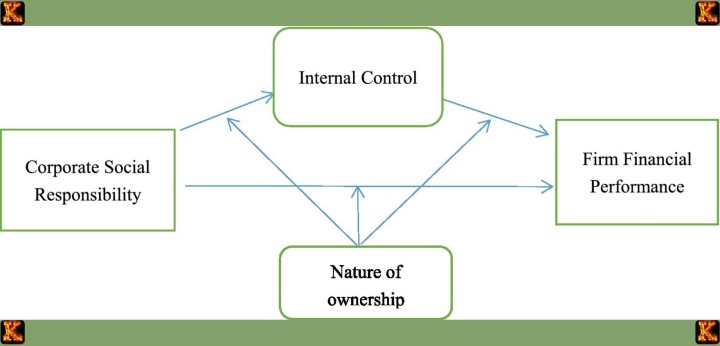
Social responsibility initiatives enhance internal performance by motivating employees, improving operational efficiency, and promoting high-quality services or products. Studies on the effect of corporate social responsibility on organizational performance show that businesses that integrate responsible practices experience higher productivity, lower absenteeism, and better team cohesion. These outcomes directly translate into more reliable operations, stronger competitiveness, and consistent achievement of strategic objectives.
Enhanced Reputation and Market Position
Ethical and socially responsible SMEs develop a positive reputation that differentiates them from competitors. A strong reputation attracts ethically conscious customers, investors, and business partners while boosting brand credibility. In local and competitive markets, this perception builds customer loyalty, encourages referrals, and provides a competitive edge. By cultivating a trustworthy and socially aware image, SMEs strengthen their market position and create opportunities for sustainable growth.
Long-Term Sustainability and Risk Reduction
Responsible business practices allow SMEs to anticipate regulatory changes, manage social and environmental risks, and meet stakeholder expectations proactively. This approach reduces vulnerability to legal, social, or environmental challenges and supports operational resilience. By focusing on sustainability, SMEs ensure that growth is maintained over time, balancing profitability with ethical responsibility, and safeguarding their long-term viability in dynamic business environments.
Read Also: Applying System Dynamics in Carbon Credit Trading
Corporate Social Responsibility and Brand Performance
Corporate social responsibility (CSR) plays a vital role in shaping how SMEs are perceived and how they perform in competitive markets. For small and medium enterprises, CSR is not just a moral obligation but a strategic tool that directly affects brand credibility, customer loyalty, and financial outcomes. Because SMEs are closely connected to their communities and operate in visible networks, responsible actions are quickly noticed and associated with the business’s reputation.
Integrating CSR into daily operations demonstrates commitment to ethical conduct and social value, which strengthens stakeholder trust, differentiates the brand, and enhances long-term resilience. Understanding the link between CSR and brand performance helps students appreciate the tangible business benefits of responsible practices.
Impact on Brand Image
CSR initiatives enhance a brand’s image by showcasing ethical conduct, social commitment, and responsible business behavior. When SMEs engage in environmentally conscious practices, community development, or ethical customer interactions, the brand becomes associated with trustworthiness, integrity, and social contribution. A positive brand image attracts customers and stakeholders, reinforces credibility, and signals reliability in both products and business ethics, providing SMEs with a visible reputation advantage.
Brand Equity and Customer Loyalty
Responsible practices directly strengthen brand equity by creating emotional connections with stakeholders. Customers who recognize ethical behavior and social responsibility perceive the brand as valuable, trustworthy, and aligned with their personal values. This loyalty translates into repeat purchases, advocacy, and positive word-of-mouth, enabling SMEs to sustain market share, improve revenue streams, and establish a long-term competitive presence that is difficult for competitors to replicate.
Financial Performance and Market Advantage
CSR contributes to financial outcomes by attracting ethically minded customers, partners, and investors. A strong CSR-driven brand reduces marketing costs, improves customer retention, and strengthens stakeholder confidence. SMEs that integrate CSR strategically gain market advantage, as consumers increasingly prefer businesses that demonstrate social and environmental responsibility. This approach supports profitability while reinforcing ethical and socially responsible business operations.
Reputation Management in SMEs
In SMEs, reputation spreads quickly due to close-knit communities and digital networks. Consistent CSR efforts protect against reputational risks and reinforce trust with stakeholders. By maintaining visible and reliable CSR practices, SMEs ensure long-term credibility, strengthen relationships, and build resilience, positioning the business for sustainable growth and a stable competitive standing in both local and broader markets.
Conclusion
Business ethics and social responsibility for SMEs are fundamental to effective and sustainable enterprise management. When ethical principles guide decision-making and socially responsible practices shape operations, SMEs build trust, strengthen stakeholder relationships, and enhance overall performance while contributing to broader economic and social development.
Understanding Business Ethics and Corporate Social Responsibility and their interconnected nature equips students and entrepreneurs with the perspective needed to manage modern business challenges responsibly. Rather than limiting growth, ethical conduct and social responsibility support credibility, resilience, and long-term success in competitive business environments.
Comments are closed!